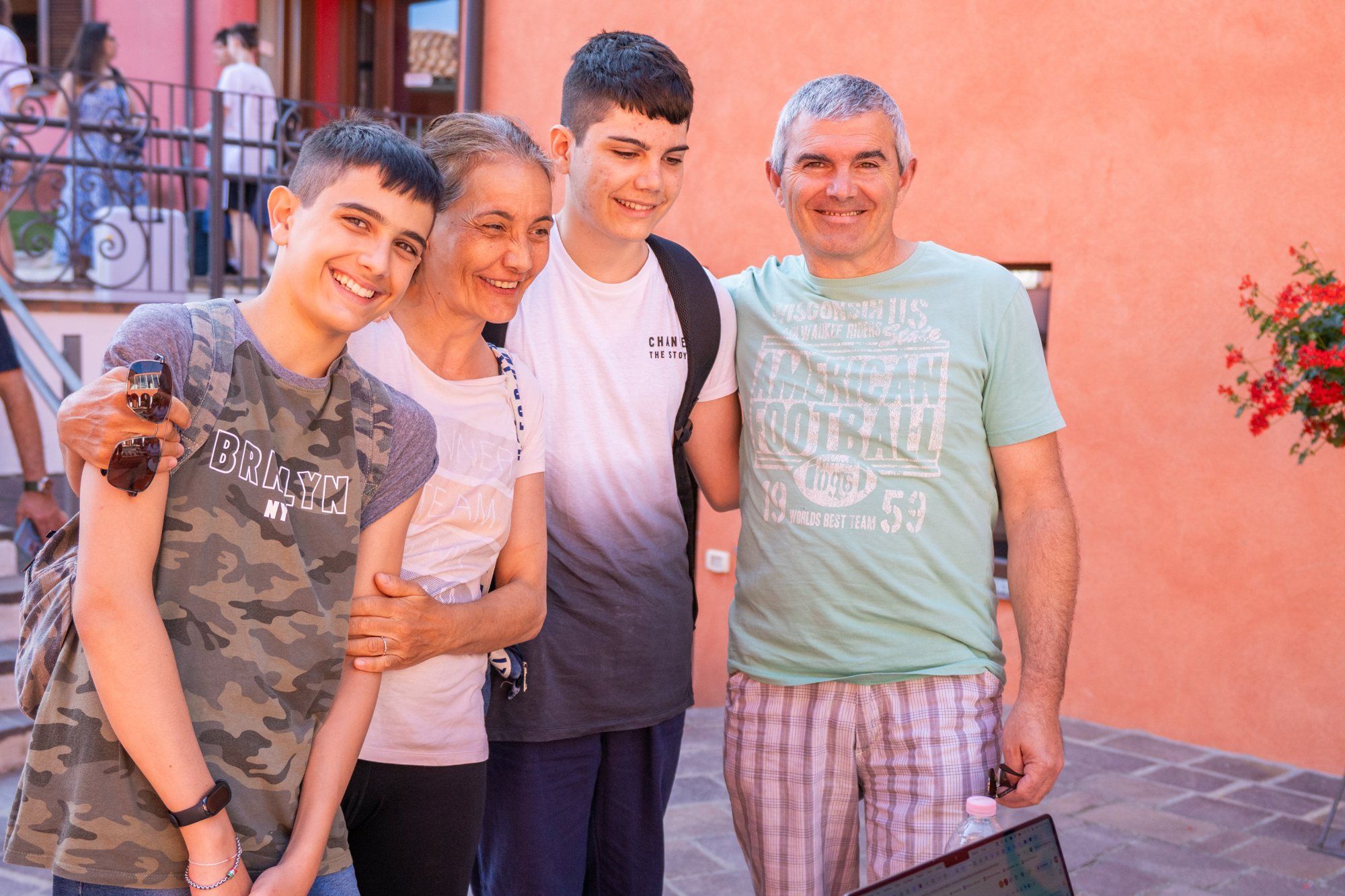
Nobody teaches us how to be parents.
We learn along the way, often by making mistakes. Here I've gathered a few ideas that are close to my heart, for those with young children and those with teenagers. They come from my books and from the years I've spent alongside young people and parents.
-
What passes on without words
In the first seven to twelve years of life, a child absorbs ways of doing things, habits, ideas and beliefs from the people around them. It happens by itself: these things pass from us to them in good faith, almost always without our noticing. That's why children learn far more from how we live than from what we say. It's no reason to feel guilty, but it is a reason to look at ourselves with a little more attention.
“No one - and this must be stressed - is to blame; everything conforms to natural laws.”
La Via della Luce, p. 87 To go deeperBuy the book -
Protecting without stifling curiosity
A child sees a stranger and runs towards them, curious. The most common reaction is to stop them: “You must never go near strangers!” That way we protect them, but we risk teaching them to be afraid of what they don't know, and that fear can stay with them even as adults, without their knowing where it comes from. There is another way to protect them.
“[…] a truly educational instruction could instead be: ‘Wait! Let's go and meet him together, I'll come too’. In this way one could achieve the aim of protection, while at the same time giving the chance to experience, offering an opportunity for Life.”
All'Alba e al Tramonto, p. 30 To go deeperBuy the book 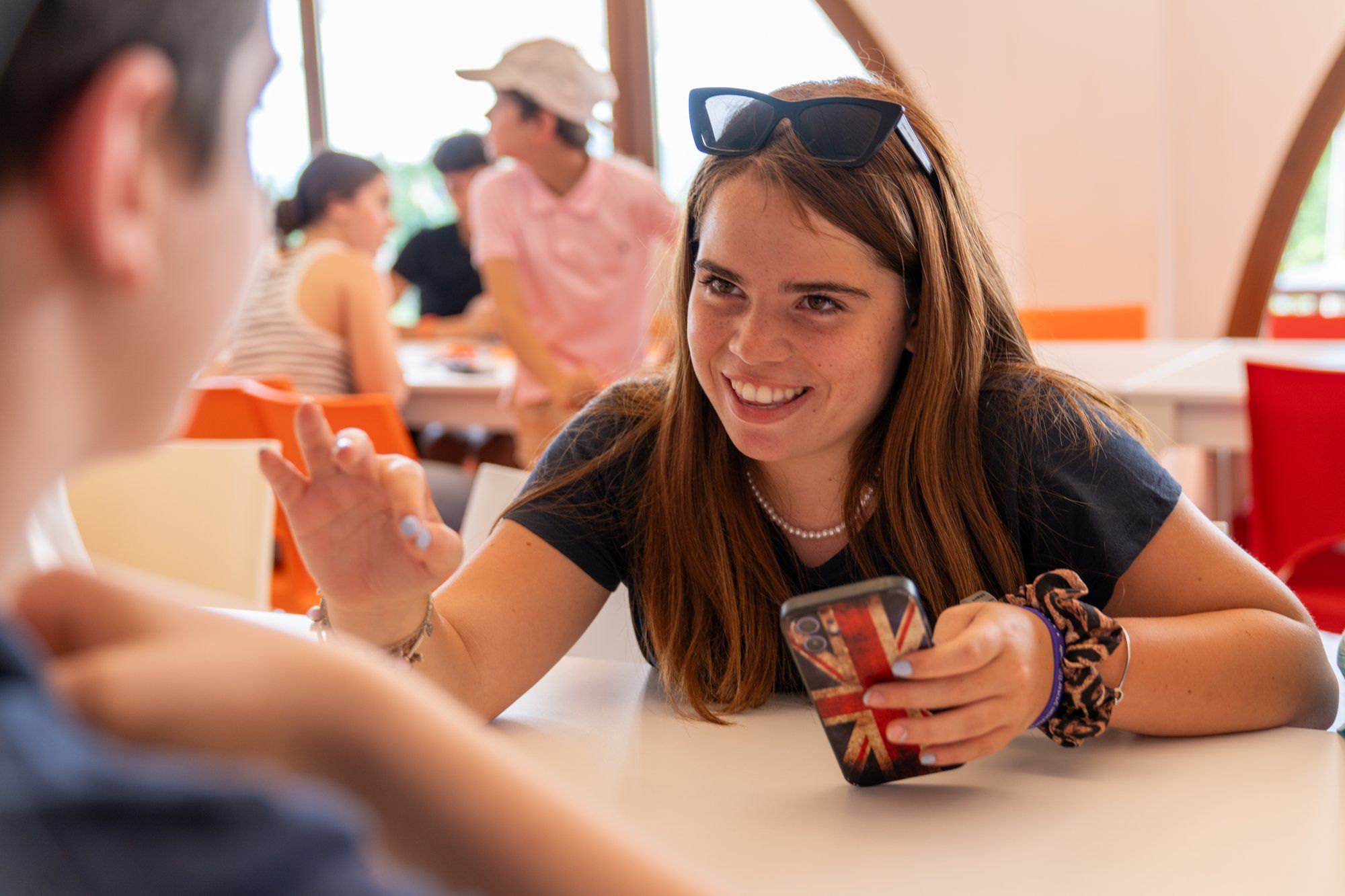
-
Impressions are food too
We feed on food, on air and on impressions: everything that reaches us through the five senses. If food or air isn't good, we notice straight away; with impressions, much less so. And yet a tidy, clean, colourful home nourishes us in one way, and a chaotic home in another: that's true for us and for our children. It's also true of the screen they hold in their hands for so many hours a day. At Change Your Life Kindle, the experience I offer young people, we don't take their phones away: by around the third day they forget about them on their own, because they understand that a phone is a tool and not an addiction.
“What impressions do I surround myself with? what impressions do I feed on? what are my bedroom, my kitchen, my study, my car like? what are the places I spend time in like? what are the clothes I wear like?”
All'Alba e al Tramonto, p. 32 To go deeperBuy the book 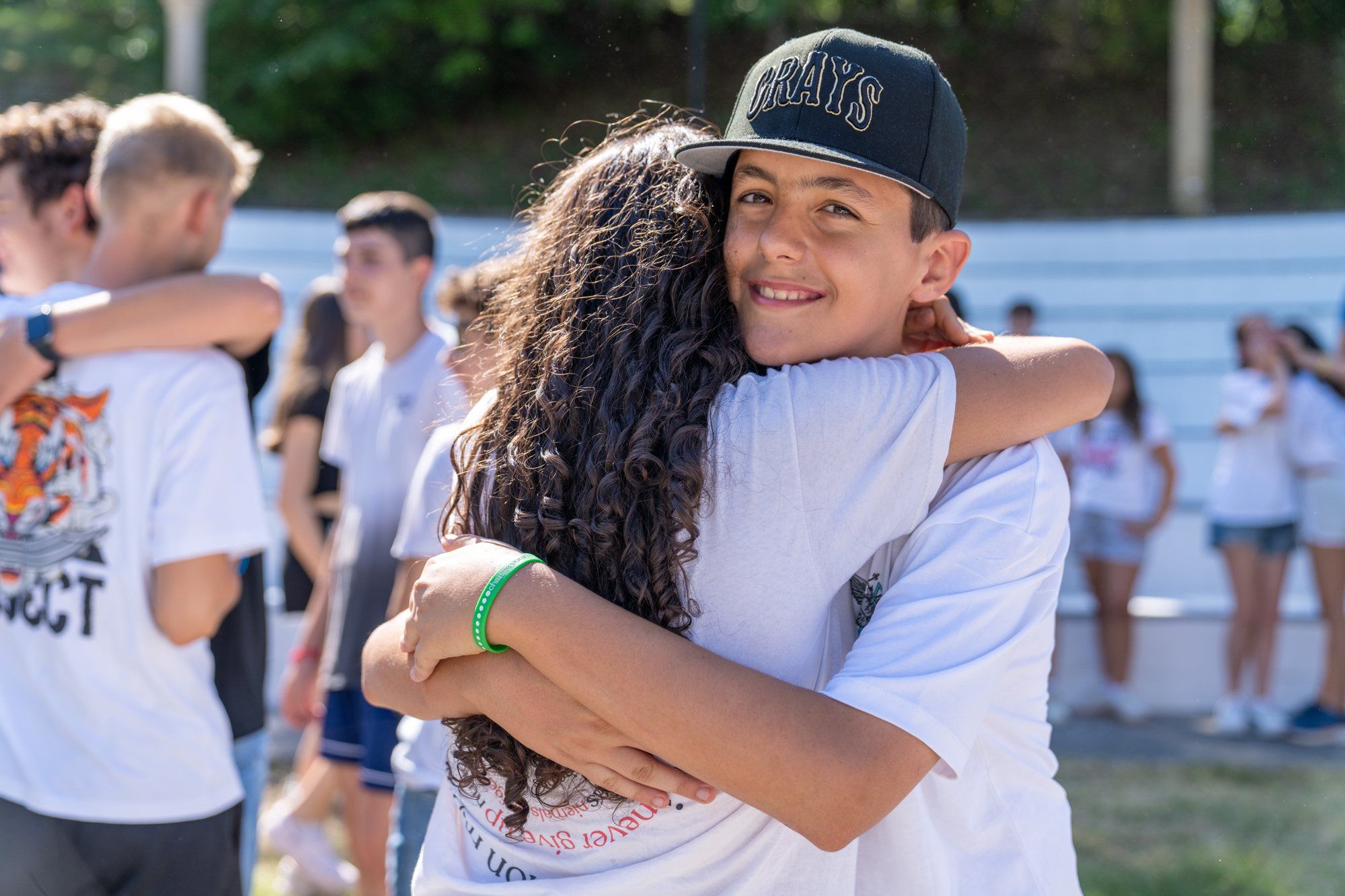
-
If your child changes
A teenage child changes fast, and we struggle to keep up: we keep seeing the child they used to be and, without meaning to, we ask them to stay a child forever. In this way it is we, the parents and the family, who stop them from becoming an adult. Kindle, the experience I offer young people, has a guiding phrase: “You are much more than you think you are!” It applies to us parents too: our child is much more than what we think of them. If they change, the way we look at them and stand beside them has to change too, starting with learning to listen to them in a new way, with new eyes, with new ears…
“The work to be done is precisely to learn to open one's heart, to learn to be silent, to learn to welcome, to learn to pass on what one is, without any judgement. […] if those who raise children and teenagers are the first to have learned the Way of the Heart, their children will already be on the path.”
Gocce di consapevolezza, p. 196 To go deeperBuy the book -
Their path, not ours
In adolescence comes the moment of the fundamental question: “What do I want to do when I grow up?” The sooner an answer is found, the sooner life takes a direction. We can help our children ask themselves this question, and then take their answers seriously, even when they point to a path no one in the family has ever taken. Discouraging them is easy; asking “how do you think you'll get there?” helps them turn a wish into a goal.
“Anyone who, especially at a young age, has tried for a moment to imagine devoting themselves to an activity completely different from the one taken up and always carried on by their family will certainly have been told that it wasn't worth it, or at the very least will have felt a sense of unease in considering horizons unknown to their family's tradition.”
La Via della Luce, p. 42 To go deeperBuy the book
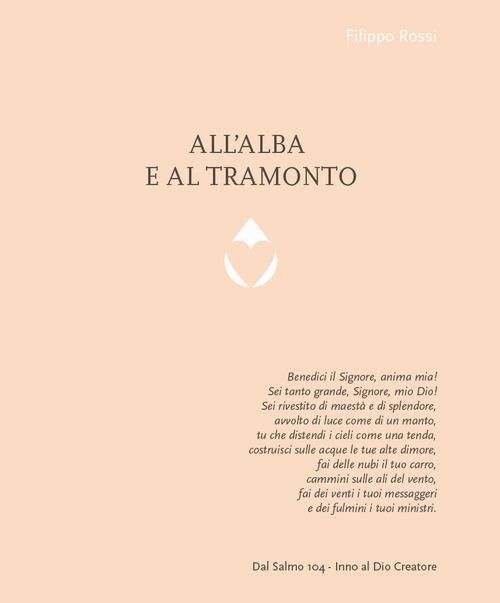
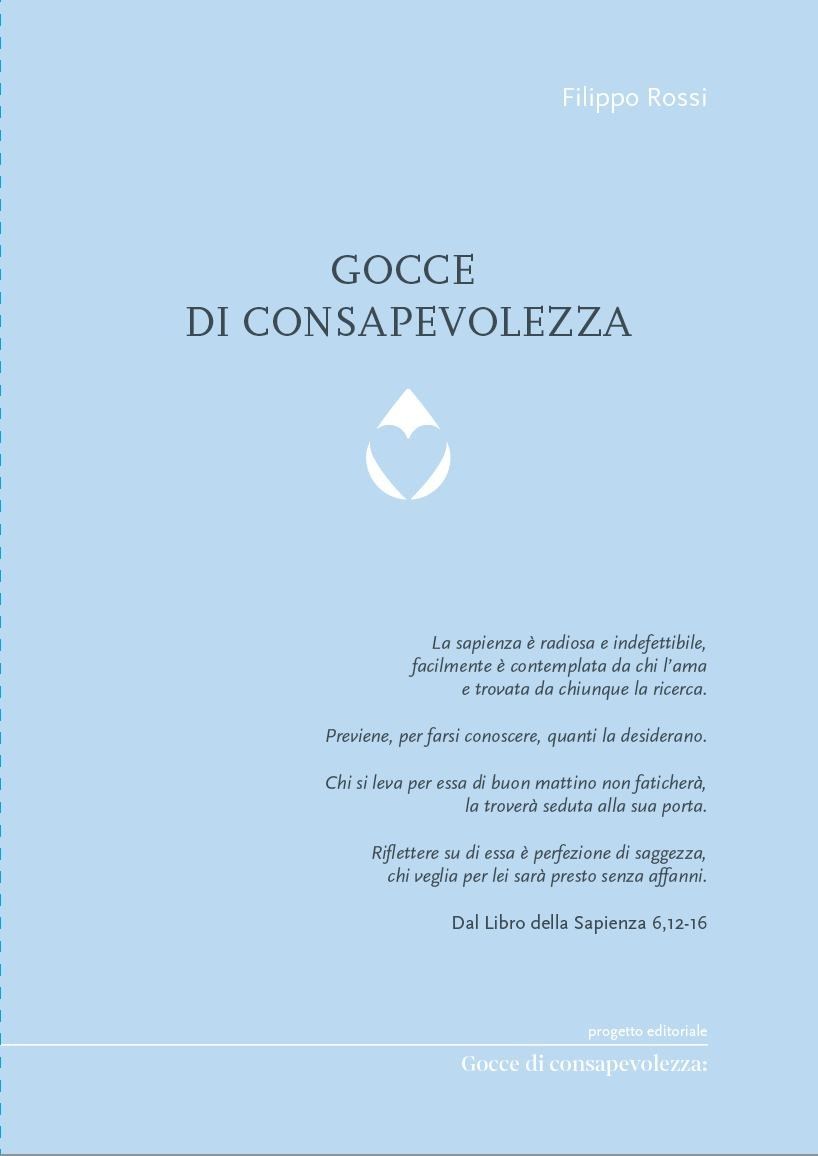
Educare all'amore per la vita.
Four volumes for parents, one for each stage of childhood, from 0 to 21 years. Each one combines theory and practice.
-
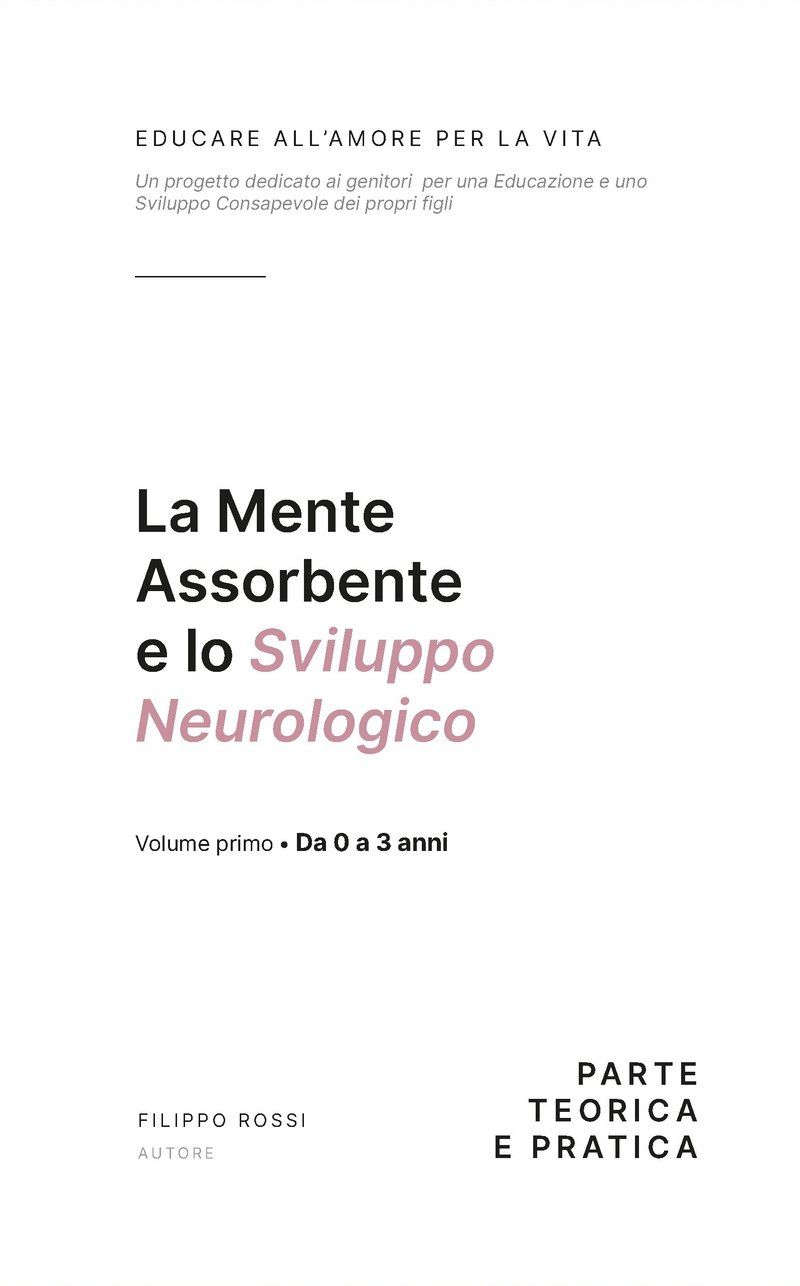
La Mente Assorbente e lo Sviluppo Neurologico
Volume one · Ages 0 to 3
Buy the book -
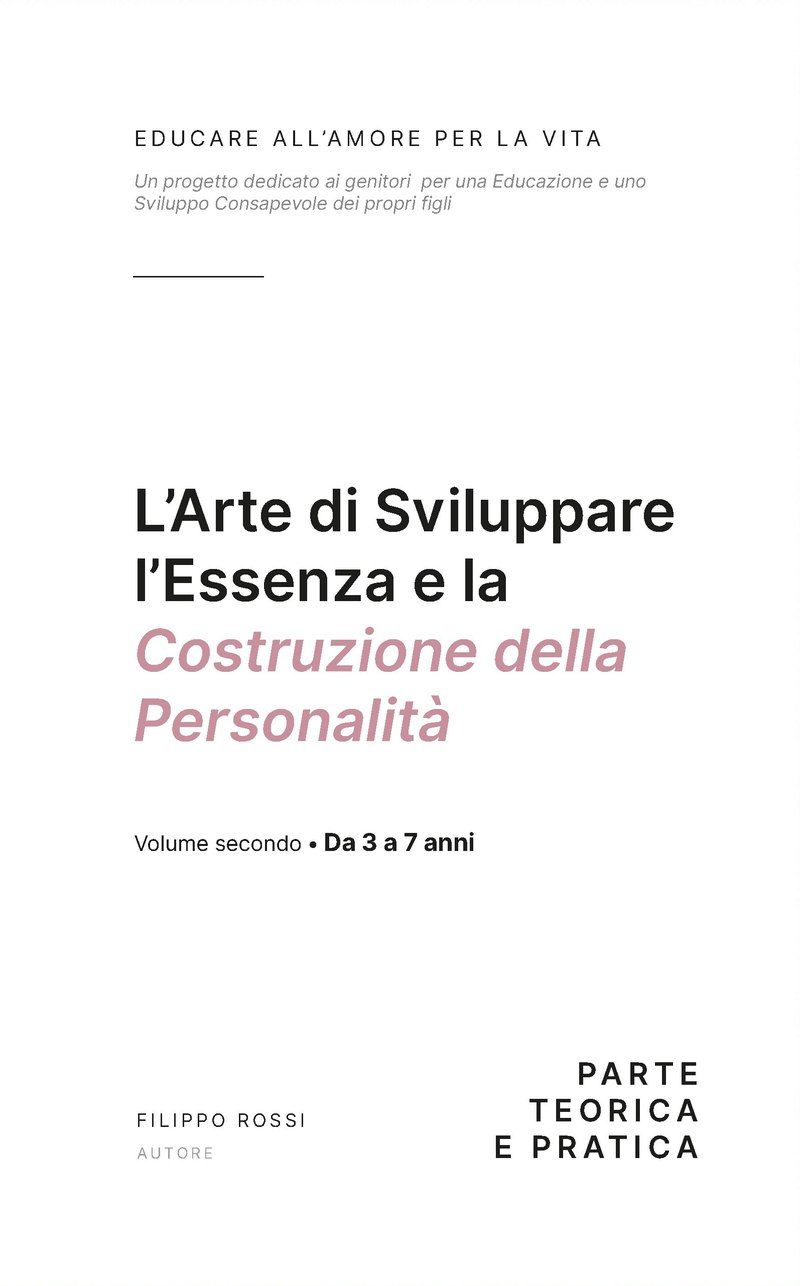
L'Arte di Sviluppare l'Essenza e la Costruzione della Personalità
Volume two · Ages 3 to 7
Buy the book -
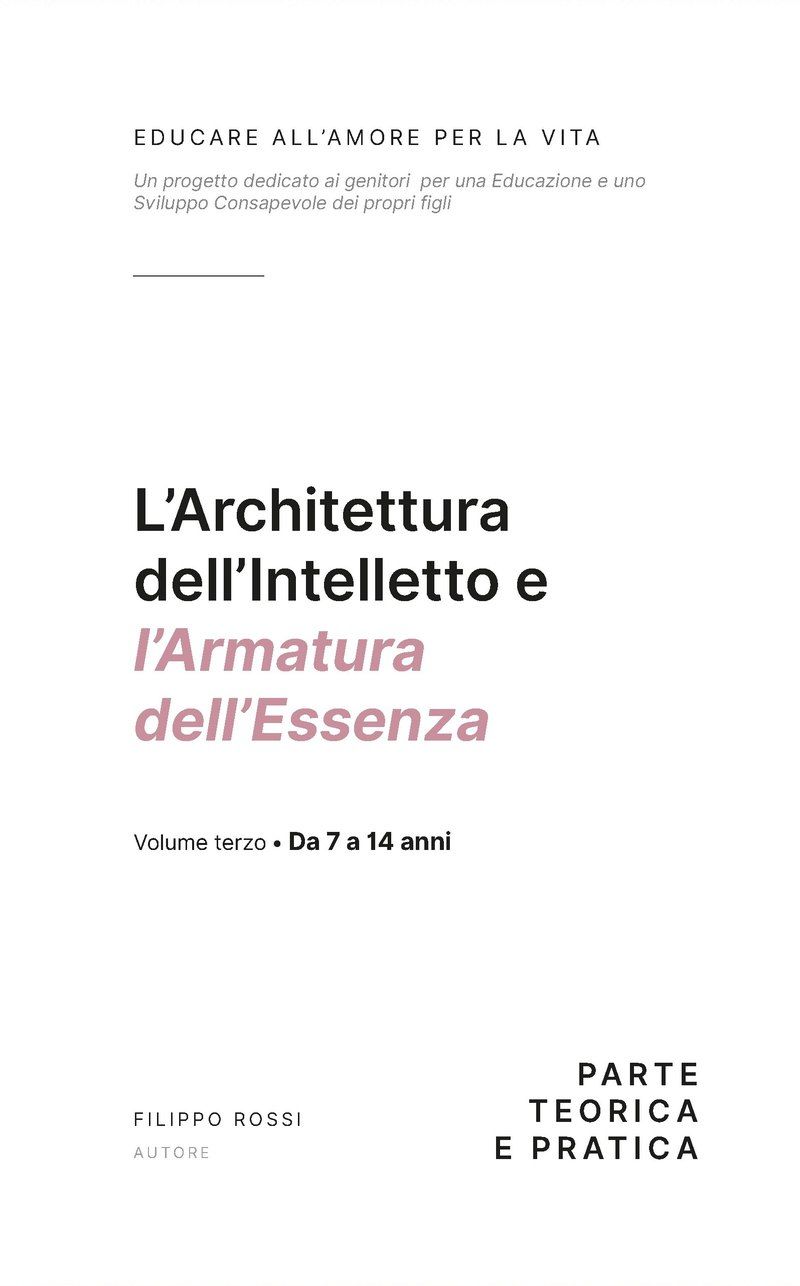
L'Architettura dell'Intelletto e l'Armatura dell'Essenza
Volume three · Ages 7 to 14
Buy the book -
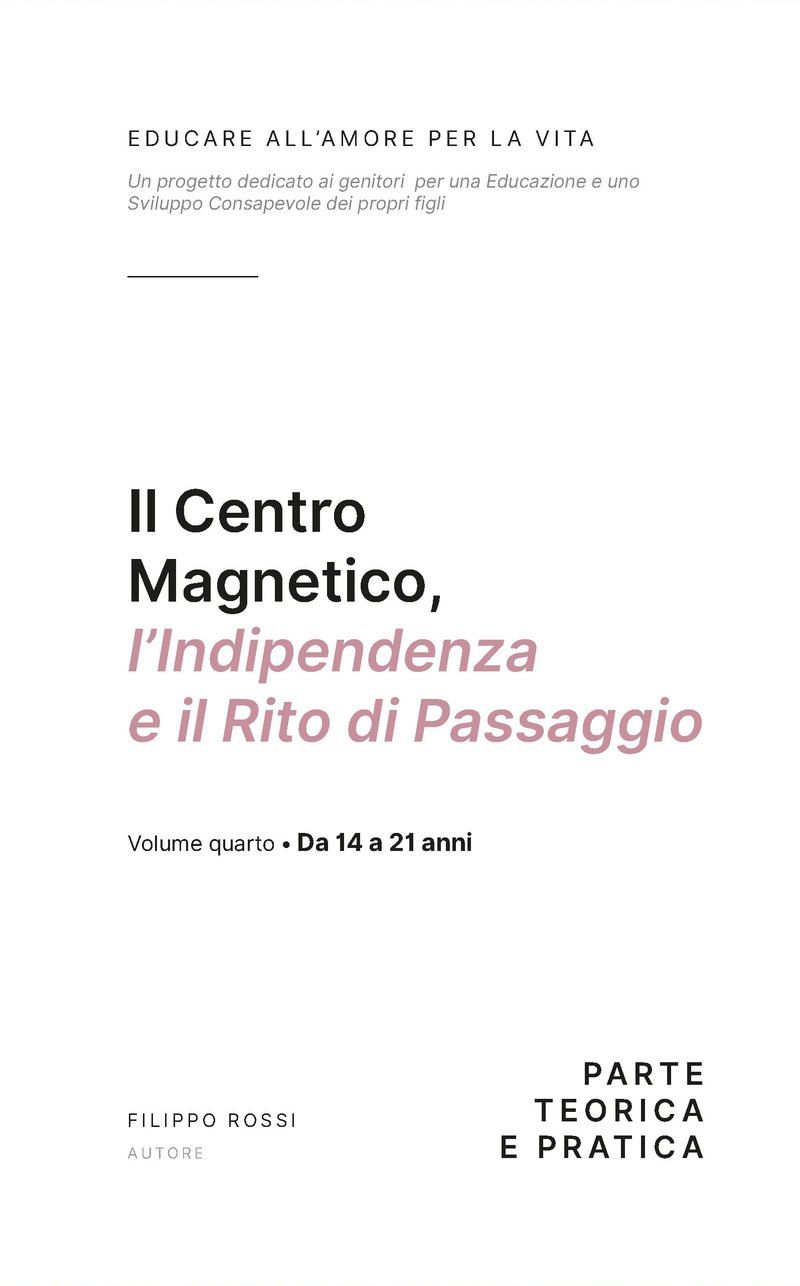
Il Centro Magnetico, l'Indipendenza e il Rito di Passaggio
Volume four · Ages 14 to 21
Buy the book
Let's keep talking about it.
If these ideas are useful to you, sign up for “Il Filippo Pensiero” in the version for families: it brings you reflections like these, practical ideas for life at home and news about upcoming experiences.
Sign up, version for families